Colors
  Docs
Docs  Support


Cognitive behavioral therapy makes you see psychological causes and behavioral patterns that cause you to drink. You know how to tell triggers, how to cop,e and how to form new habits that can help you to stay sober and not bring you down. Instead, refocus your attention and consider what you will do moving forward. If you’re too hard on yourself, you’ll go deeper into your relapse and negative feelings. If you’re proactive, your relapse becomes a powerful learning experience and a critical part of your recovery process. In a full-blown relapse episode, the person returns to their previous patterns of substance abuse.
- On the other hand, a relapse signifies a more significant setback where an individual abandons their recovery plan and returns to their addictive behaviors for an extended period.
- Healthy habits and behaviors should include eating a nutritious diet, exercising regularly, getting enough sleep and learning emotional regulation.
- These include mild ones (headaches, sweating, nausea) and serious ones (tremors, confusion, seizures).
- For example, if you had an addiction to opioids, a relapse is a return to using those same drugs.
- Approximately 5% of American adults have self-injured, with the number rising to 17% for teenagers.
Finding Supportive Relationships
Adjusting the what to do after a relapse group’s focus based on these evaluations improves engagement and supports participants’ recovery journeys. This interactive activity reinforces relapse prevention strategies by encouraging participants to find objects or answer questions about coping mechanisms. It’s ideal for outdoor or larger spaces where participants can move around. It’s a great way to get people physically active while reinforcing recovery skills. Keeping track of what happens in group sessions can be just as important as the activities themselves. Good notes help you remember progress, spot patterns, and plan what’s next.
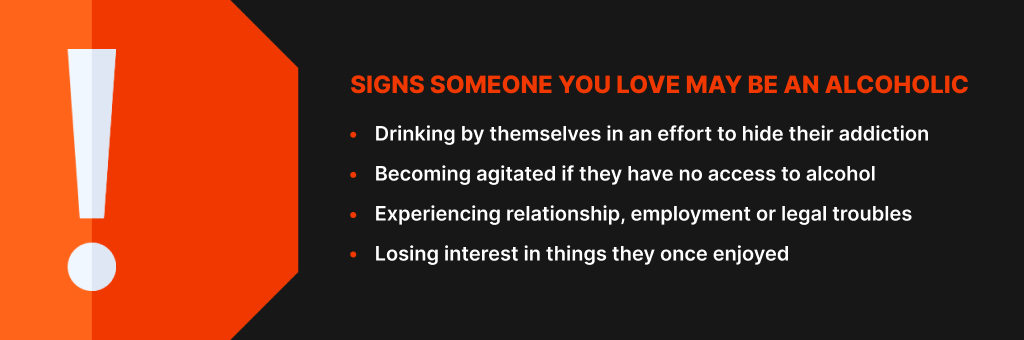
It suppresses your immune system, disturbs your sleep (although it may seem to be making you fall asleep at first), and it also affects your body’s absorption of nutrients. You will probably feel better as you progress through recovery and are more energized, get better sleep, and have a better physical condition. This is the reason why medical supervision in detox is so imperative. Brain chemistry is now used to the fact that alcohol is present in the body, specifically its actions on the amount of dopamine and other neurotransmitters, and it takes time to re-adjust. Once your body is used to the habit of drinking alcohol, quitting suddenly will cause you to experience withdrawal. These include mild ones (headaches, sweating, nausea) and serious ones (tremors, confusion, seizures).
Times of celebration

And not only can you overcome it, but you can also come back stronger, wiser, and better prepared for the next challenge that https://ecosoberhouse.com/ life sends your way. You know that you are capable and worthy of sobriety, you’ve proven it. Whether you’ve been sober for 3 days, 3 weeks, or 3 years, a relapse is never out of the realm of possibility. Addicts and alcoholics can be their worst enemies, mainly because they are so incredibly hard on themselves. They speak to themselves in ways they would never speak to another human being.
Compliant notes. Stronger care.
- Explain what occurred and what you are doing to get back on track.
- As a result, they often have limited resources and can only admit patients for as few as three to five days.
- Accurate documentation ensures every group member’s progress is recognized and helps you provide consistent, high-quality care.
- Addiction is a chronic relapsing illness, much like diabetes or hypertension.
If you weren’t before, it’s time to get professional help either in the form of therapy, inpatient treatment, or another means that works for your individual needs. A relapse does not mean you have given up on yourself or your recovery. Many people in long-term recovery have experienced one or more relapses. It does not mean treatment has failed, but rather that recovery plans must evolve.
- The National Institute on Drug Abuse defines relapse as a return to substance use by patients recovering from addiction.
- You have more tools now than when you first sought help, and that knowledge can be the foundation for building a recovery that lasts.
- Below are issues facilitators should consider during group activities for substance abuse recovery.
- If you experience a relapse, a doctor may recommend other types of myeloma medications.
- With the help of a person’s recovery community, these signs can be identified and worked through before relapse occurs.
A relapse occurs when you find yourself no longer following your treatment program. It’s important to understand that relapse doesn’t mean your drug or alcohol abuse treatment plan has failed. Consider relapse to be a natural stage of recovery and don’t let it keep you down. Relapse can be a natural part of the recovery process for many people suffering from drug or alcohol addiction. If you have suffered a relapse, and you’re worried about what the future holds, you are not alone.
Offer reassurance that relapse does not define their worth or erase their progress. Experiencing a physical relapse can be a challenging and disheartening part of the recovery process, but it’s important to remember that you can move on from it. Your progress isn’t gone – this is just a slight hiccup in the road.
That might mean not eating solid foods for most of the day. Though a person infected with the virus may experience unpleasant symptoms, others may be asymptomatic and show no symptoms at all. But they can still be contagious and pass the virus to others. A person who is sick and has been infected what is alcoholism with the virus will typically experience the symptoms suddenly. Children with the virus may be fussy, sleepy throughout the day and cry without tears.

Ensuring participants’ emotional safety and providing resources for immediate support are essential components of group activities. Substance abuse support groups must address unique ethical considerations and challenges to ensure a safe, supportive environment for participants. Below are issues facilitators should consider during group activities for substance abuse recovery. A relapse can feel discouraging, but your healthcare team can help guide you through treatment options tailored to your overall health and specific needs.
There are other self-help groups, including Women for Sobriety, Secular Organizations for Sobriety, Smart Recovery, and Caduceus groups for health professionals. It has been shown that the way to get the most out of 12-step groups is to attend meetings regularly, have a sponsor, read 12-step materials, and have a goal of abstinence 24,25. They think it is almost embarrassing to talk about the basics of recovery. They are embarrassed to mention that they still have occasional cravings or that they are no longer sure if they had an addiction. Certain people, places, and feelings can bring back the urge to use. Knowing your triggers gives you a better chance to avoid or handle them early.
A trusted cocaine addiction treatment program in California pairs compassionate follow-up with practical tools you can use tomorrow. When people don’t understand relapse prevention, they think it involves saying no just before they are about to use. But that is the final and most difficult stage to stop, which is why people relapse. Programs that emphasize skills for daily life, accountability, and long-term support tend to produce more lasting sobriety than short-term or isolated interventions.